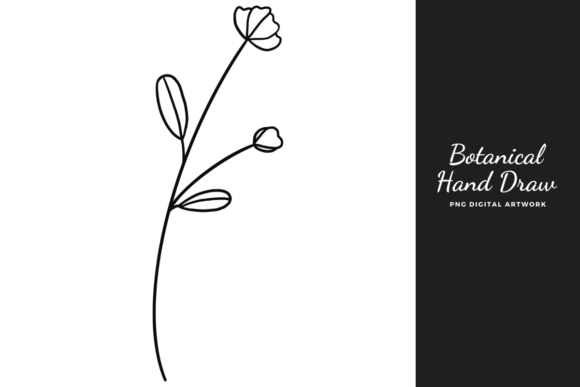
Hand Drawn Flower Art Line Illustrations: Your Guide to Avoiding Common Creative Pitfalls
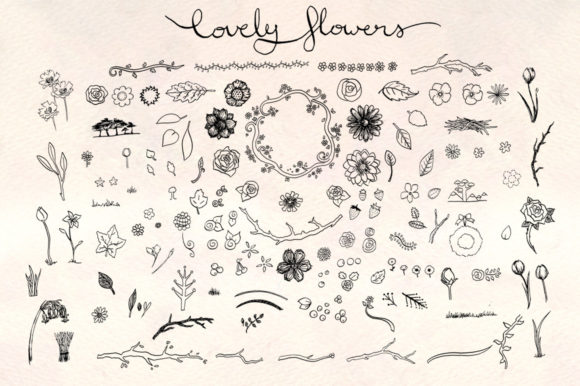
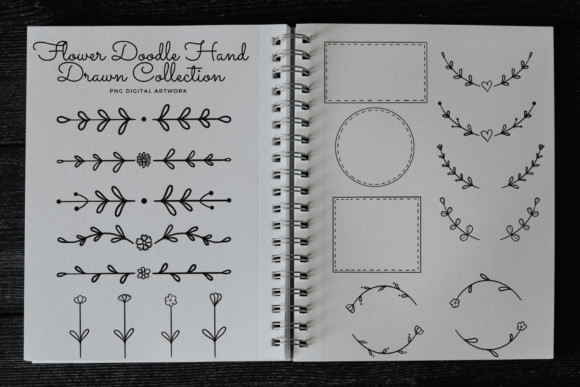
The elegance of hand drawn flower art line illustrations holds a unique power. These minimalist, botanical sketches capture the essence of nature with just a few graceful strokes, moving away from overly complex or generic digital art. Their popularity isn't just aesthetic; it's practical. A well-crafted set of floral line art offers immense versatility for creators, entrepreneurs, and hobbyists looking to add a touch of organic beauty to their projects. From personalized mugs and standout t-shirts to elegant poster cards and professional branding, these illustrations form a foundational asset. However, the journey from downloading a file to successfully applying it can be fraught with small, overlooked details that compromise your final result.
The Allure and Utility of Floral Line Art
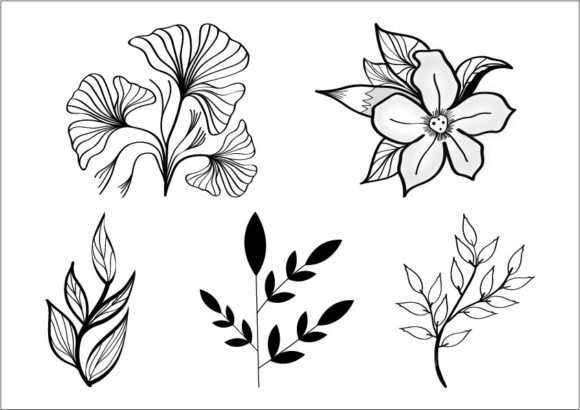
People are drawn to hand drawn flower art line illustrations for their authenticity and flexibility. In a digital world saturated with perfect, symmetrical graphics, the slight irregularities of a hand-sketch convey warmth and craftsmanship. This Sketch Floral Botany set style resonates with audiences seeking a connection to natural, artisanal qualities. Furthermore, the practical value is significant. When you acquire a vector file set, like one including EPS and SVG formats, you're investing in a scalable resource. Unlike a fixed-size photograph, these vector illustrations can be resized infinitely without losing quality, making them ideal for applications as small as a logo on a pen or as large as a wall mural.
Overlooking File Format Compatibility
A common, yet critical, misunderstanding revolves around the provided file formats. A designer might excitedly download a set offering "1 Eps – 1 SVG" and assume seamless integration with any software. The mistake here is not verifying the compatibility of these formats with your specific production workflow or the platforms of your manufacturers. For instance, while SVG files are excellent for web use and many modern design programs, some traditional printing vendors or specific engraving software might still prefer or require EPS files.
This oversight can affect efficiency and cost. You might spend hours adapting a design only to discover your t-shirt printer cannot process the SVG file you've customized, leading to rushed conversions that could alter line weights or details. The practical advice is to always confirm the technical requirements of your end-use before beginning your design work. If creating for a variety of mediums, use the EPS file for traditional print and physical product applications and the SVG for web, apps, or digital displays. Checking this detail upfront saves time and ensures the hand drawn integrity of your art remains intact through every production stage.
Misjudging Background and Contrast Applications
The description "Black and white with line art on colorful backgrounds" is a key feature that is often misapplied. The mistake is viewing the colorful background as a mandatory, fixed element rather than a flexible option. A creator might forcefully impose a provided background color onto every application, even when it clashes with their product's base color or brand palette. For example, placing a lime green background behind the flower lines on a dark navy t-shirt can create visual tension and reduce the illustration's impact.
This affects presentation and satisfaction. The core value of such a set is the isolated, clean line art. The backgrounds are suggestions, not constraints. A better approach is to treat the black and white line art as your primary asset. Use the colorful backgrounds selectively for projects where they enhance the design, like on a white mug or a light-colored poster. For most applications, especially on colored products, extract the line art alone and let it contrast directly with your chosen base material. This empowers you to create cohesive collections—a sunflower line art on a yellow bag for warmth, or the same art on a black bag for dramatic contrast—all from the same core file.
Scalability Without Quality Loss: A Vector Advantage
The term "vector" is sometimes overlooked by beginners, who might equate it with simply "a digital image." The misunderstanding is not appreciating that true vector art, like in this floral set, is mathematically defined by points and paths, not pixels. This means you can scale a small bud illustration to a massive size without any blurring or pixelation. A common error is attempting to use a rasterized (pixel-based) version of the art for large-scale projects, which results in a fuzzy, low-quality print on a bag or poster.
To avoid this, always use the original EPS or SVG file within a vector-compatible design program like Adobe Illustrator, Inkscape, or Affinity Designer when resizing. Do not convert it to a JPEG or PNG until you have finalized the output size for your specific product. This ensures the hand drawn lines remain crisp and professional, whether on a business card or a banner.
Neglecting Application-Specific Adjustments
Another pitfall is assuming one design fits all products uniformly. Applying the same exact flower illustration, at the same scale and layout, to a delicate greeting card and a sturdy tote bag ignores the nuances of each medium. The art might feel overpowering on the card and insignificantly small on the bag. This affects communication and usability; the product's message can get lost.
Provide practical adjustments: for fine items like cards or mugs, consider using a single, focal flower from the set. For larger areas like posters or bags, explore compositions grouping multiple elements from the botany set. Always create a mockup. Use digital tools to visualize the art on a template of your actual product before finalizing. This step helps you balance negative space and impact, ensuring your hand drawn illustrations serve the product's purpose.
Underestimating the Need for Artistic Cohesion
When a set contains multiple flowers, the temptation can be to use every element in a single project, creating a cluttered, chaotic result. The mistake is treating the set as a mandatory bundle rather than a curated toolkit. A blogger creating a website header might cram five different floral sketches together, weakening the minimalist appeal.
A better, more professional approach is to select illustrations that share a similar line style or visual weight from the set to maintain cohesion. If the set includes a bold sunflower and a delicate vine, use them in separate thematic projects rather than combined. This elevates the quality of your work, presenting a thoughtful, designed outcome rather than a simple download application. Before using the art, review all elements and plan which ones align with your specific project's tone—the robust sketches for a bold marketing campaign, the finer details for an elegant wedding invite.
Final Checks Before You Commit
Before making a final decision to use a hand drawn flower art line illustration set, pause for a few constructive checks. First, examine the license terms. Ensure the usage rights align with your project, especially if for commercial products like t-shirts and mugs you intend to sell. Second, verify the technical quality. Open the EPS and SVG files in your software to check for any unexpected grouped elements, hidden layers, or open paths that might need simple cleanup. Third, consider your audience. Does the sketch style match their expectations? A youthful, modern audience might appreciate a minimalist line rose, while a more traditional group might resonate with a detailed lavender sketch.
By approaching these versatile illustrations with a mindful, detail-oriented perspective, you avoid the common pitfalls that lead to frustration and mediocre results. You move from simply using art to mastering it, transforming a downloadable file like this flower line art set vector into a core component of your creative and commercial success. The goal is to let the natural beauty of the sketches shine through, enhanced by your thoughtful application, across every mug, bag, poster, and product you imagine.